
As a homegrown Kilimanjaro tour operator, we don’t just lead treks — we live and breathe Mount Kilimanjaro. Our handpicked local guides have 10+ years of high-altitude experience, and we design every private climb around your fitness level, schedule, and goals. Our luxury Kilimanjaro packages include premium tented camps, gourmet local cuisine, and 1:1 guide support, all optimized for the highest possible summit success rate. Stop choosing overcrowded, low-success group tours — climb Kilimanjaro the right way with us.
If you are searching for Kilimanjaro local guides who truly understand the mountain, weather, routes, and your safety, you are in the right place.
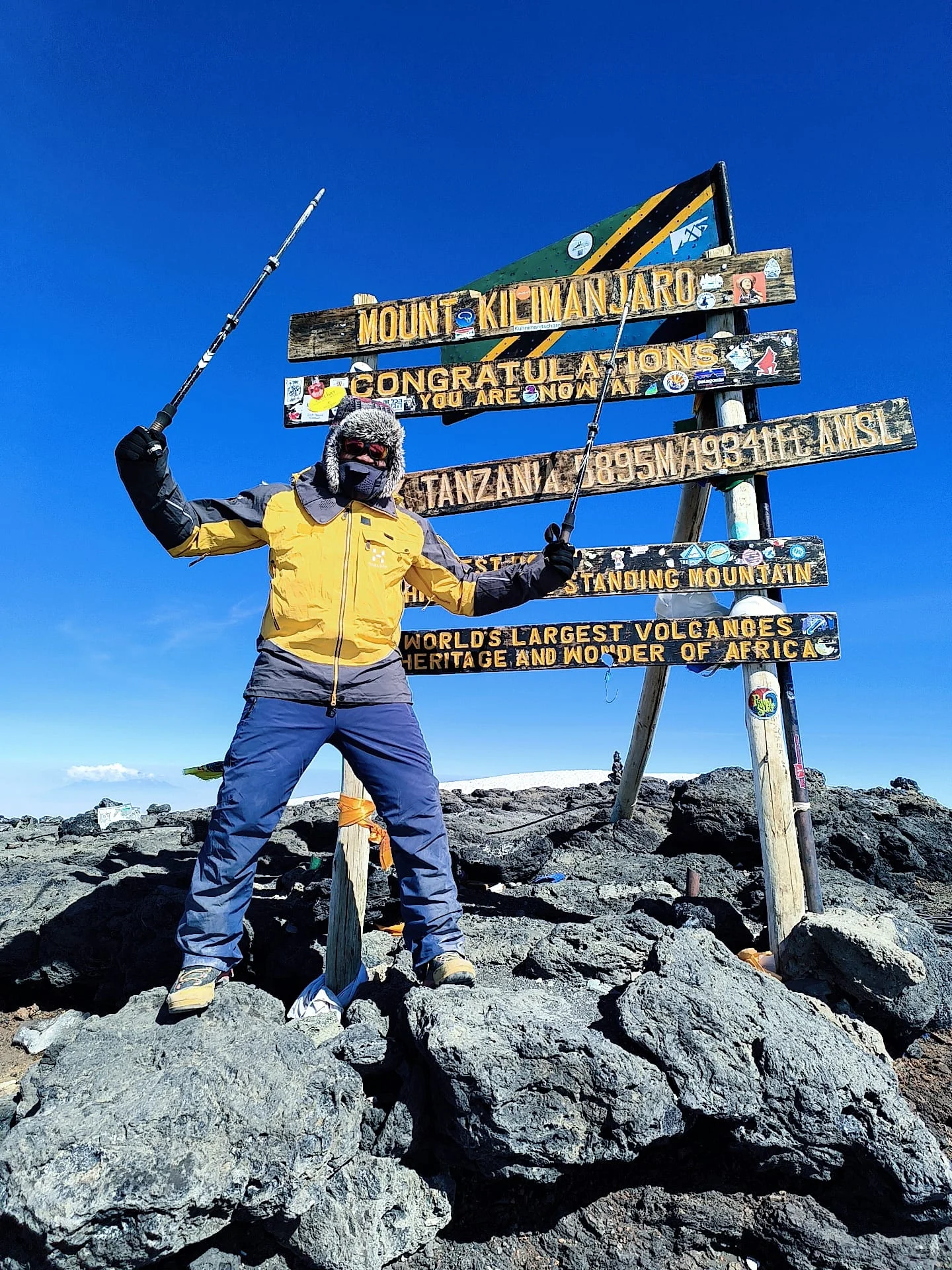
Mount Kilimanjaro stands at 5,895 meters, making it Africa’s highest peak and the world’s tallest free-standing mountain. Climbing Kilimanjaro is a dream for adventurers worldwide, and choosing experienced Kilimanjaro local guides is the key to turning that dream into reality.
All our guides are licensed, trained, and experienced on all Kilimanjaro routes.
We use proper acclimatization schedules and monitor your health daily
We support fair porter wages, proper equipment, and environmentally responsible climbs.
No hidden fees – you know exactly what is included.
Private climbs, group climbs, and custom itineraries available.
Our Kilimanjaro local guides grew up in the shadow of Africa’s highest peak. They learned the mountain’s trails, weather patterns, and secrets from their fathers and grandfathers who also guided climbers. This generational knowledge means they can read subtle signs in the weather, know exactly which pace will maximize your acclimatization, and understand the mountain’s moods in ways that book learning can never replicate.
The local Chagga people have lived on Kilimanjaro’s slopes for centuries. When you climb with Kilimanjaro local guides, you’re not just hiking a mountain—you’re experiencing a living culture. Learn Swahili phrases, hear traditional songs during your trek, and understand the spiritual significance the mountain holds for local communities.
Coffee plantations and villages where your journey begins
Lush vegetation, monkeys, and exotic birds
Giant heathers and the first views of the peak
Sparse vegetation, dramatic landscapes, thin air
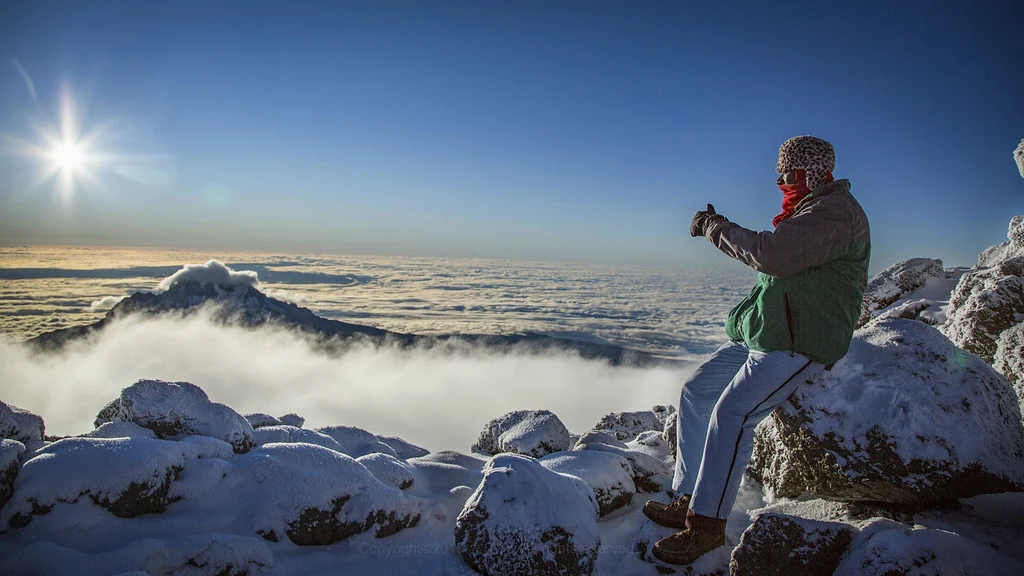
Ice, snow, and the ultimate summit push
The biggest challenge on Kilimanjaro isn’t the terrain—it’s the altitude. At 5,895 meters, Uhuru Peak has only about 49% of the oxygen available at sea level. This is where Kilimanjaro local guides prove invaluable. They monitor your acclimatization constantly, checking pulse oxygen levels, watching your breathing patterns, and adjusting the pace to give your body the best chance to adapt.
Altitude sickness affects people indiscriminately. Age, fitness level, and previous hiking experience don’t predict who will struggle. Our Kilimanjaro local guides are trained in Wilderness First Response and can identify early symptoms of Acute Mountain Sickness, High Altitude Pulmonary Edema, and High Altitude Cerebral Edema. They carry emergency oxygen, portable altitude chambers, and comprehensive medical kits on every climb.
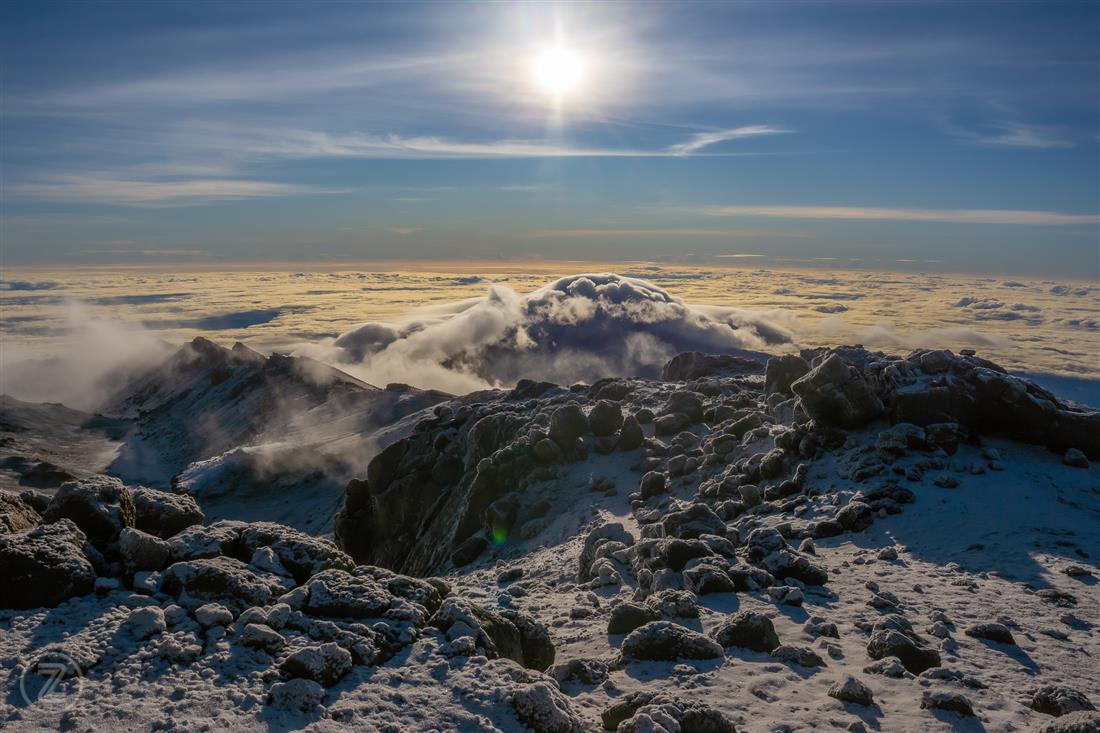
The Machame Route is the most popular path up Kilimanjaro, known for its stunning scenery and excellent acclimatization profile. Kilimanjaro local guides particularly recommend this route for first-time climbers who want to maximize their summit chances.
Why Choose Machame: This route follows the principle of “climb high, sleep low,” which significantly aids acclimatization. You ascend to higher altitudes during the day but descend to sleep at lower camps, giving your body optimal adjustment time. The Barranco Wall on day four provides an exciting scramble that tests your nerve without requiring technical skills.
Scenery Highlights: Trek through lush rainforest teeming with colobus monkeys, cross the otherworldly Shira Plateau, stand beneath the dramatic Lava Tower, and navigate the famous Barranco Wall before your summit attempt.
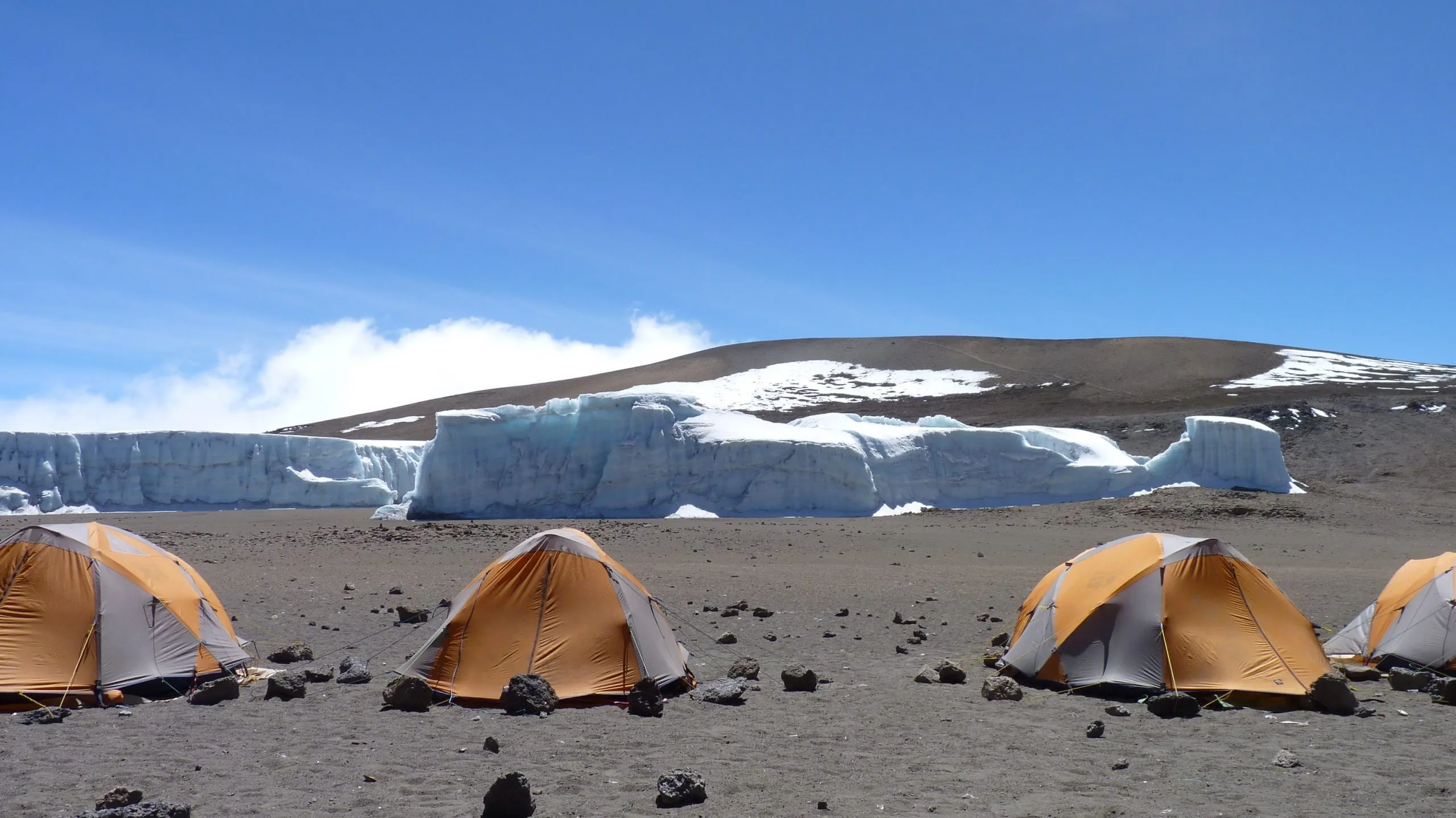
Considered by many Kilimanjaro local guides as the most beautiful route, Lemosho approaches from the west and offers remote wilderness experiences, particularly in the early days.
Why Choose Lemosho: The longer itinerary gives your body more time to acclimatize, resulting in the highest success rates of any Kilimanjaro route. The first two days are relatively quiet before the route merges with Machame. This is the ideal choice if you want to maximize your summit chances and have the time for a longer trek.
Scenery Highlights: Begin in pristine rainforest rarely visited by other climbers, traverse the stunning Shira Plateau with unobstructed views, and enjoy spectacular sunrises and sunsets from your camps.
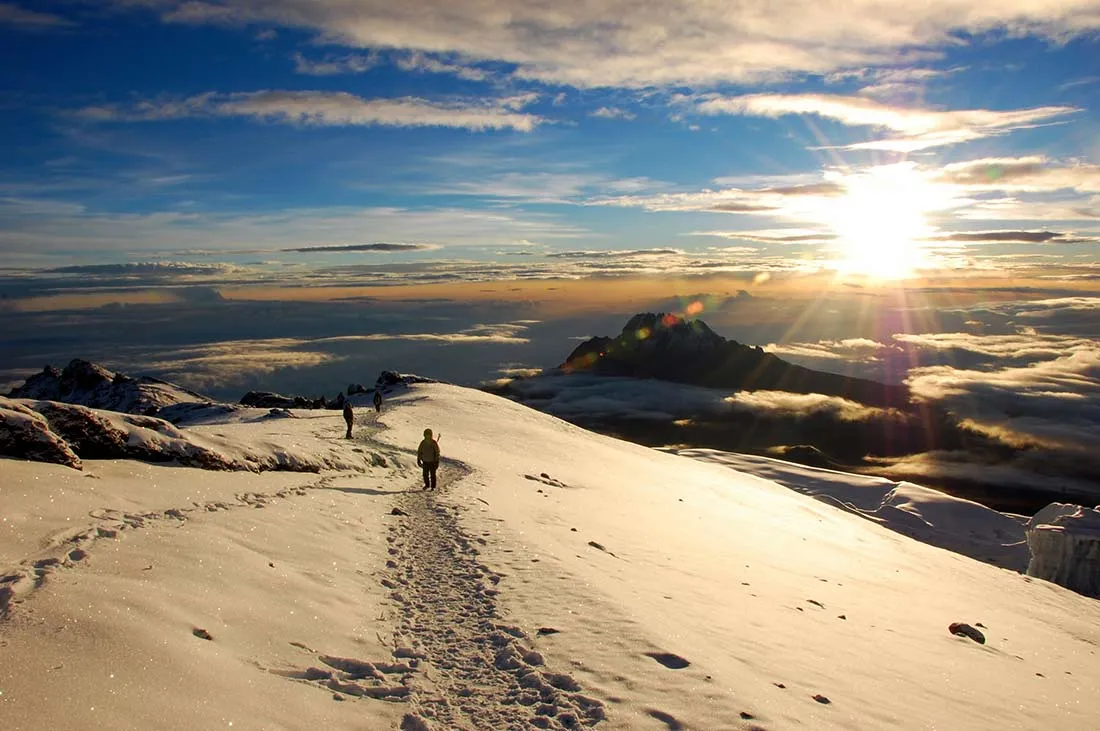
The only route approaching from the north, Rongai offers a quieter, more remote experience. Kilimanjaro local guides recommend this during the rainy season as the north side receives less precipitation.
Why Choose Rongai: If solitude appeals to you, Rongai sees far fewer climbers than Machame or Lemosho. The gradual ascent from the north side is less physically demanding in the early stages. However, the summit night is longer and tougher, as you reach the crater rim opposite Uhuru Peak.
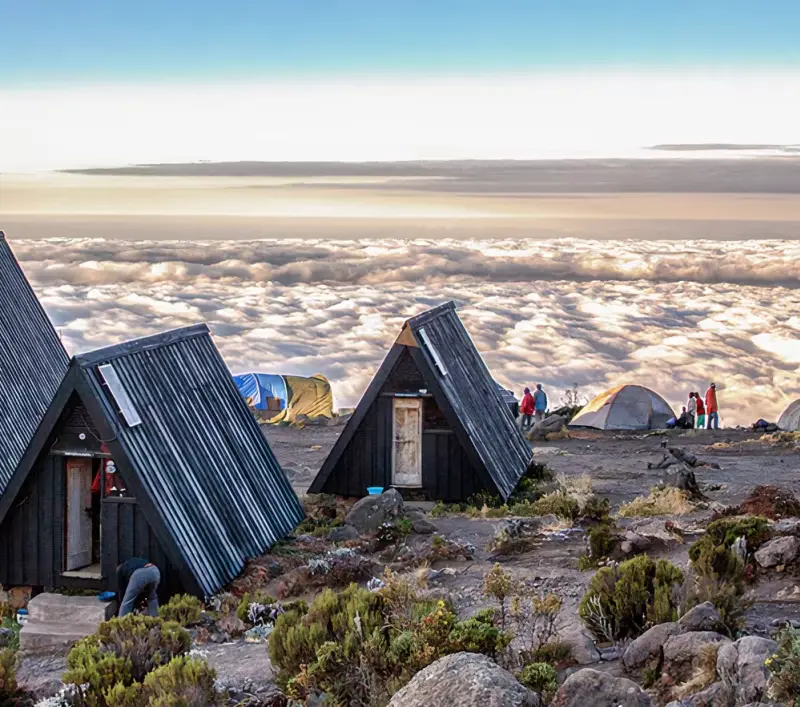
The oldest and most established route, Marangu is the only option with dormitory-style hut accommodation rather than camping.
Why Choose Marangu: The hut accommodation provides more comfort and better weather protection than tents. However, experienced Kilimanjaro local guides note that the same-route ascent and descent, combined with rapid altitude gain, results in lower success rates. The 6-day option with an acclimatization day significantly improves your chances.
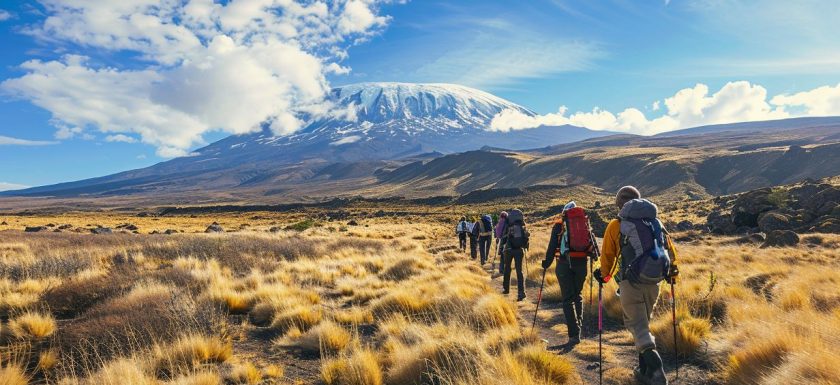
The newest and longest route, circling around the northern slopes for unparalleled views and exceptional acclimatization.
Why Choose Northern Circuit: If you have the time and budget, this route offers the highest success rate and most comprehensive Kilimanjaro experience. The extra days allow near-perfect acclimatization, and you’ll see parts of the mountain few visitors ever witness.
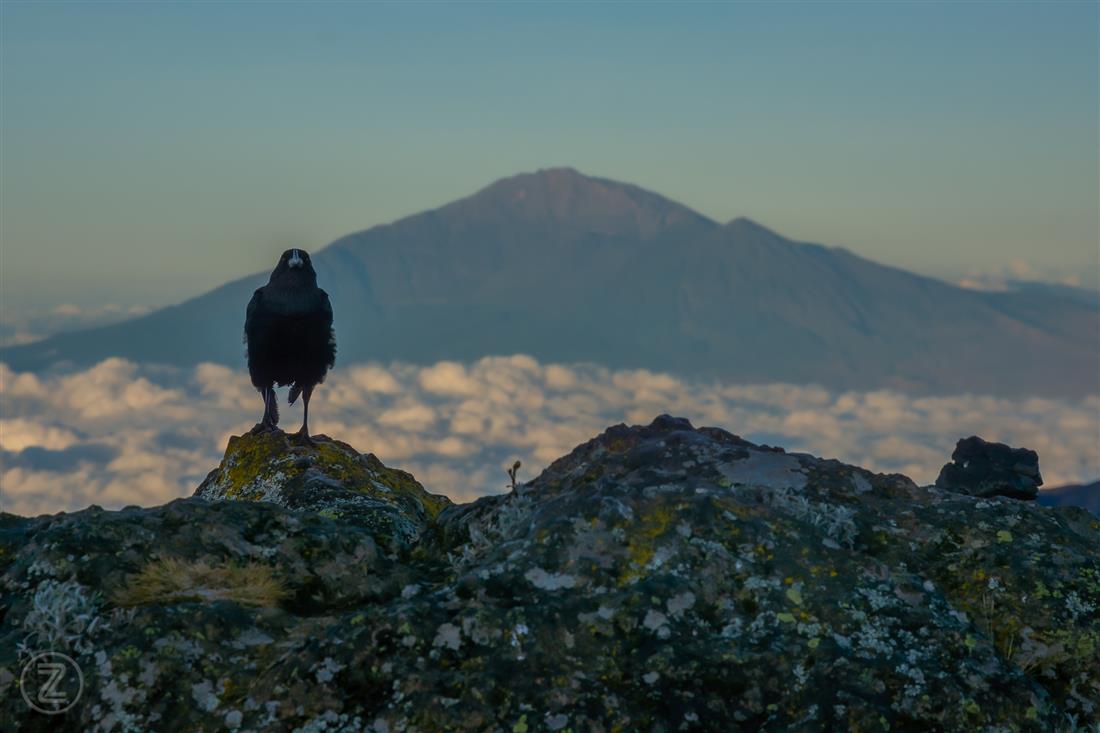
The steepest and most direct route, recommended only for very experienced trekkers with prior high-altitude experience.
Why Choose Umbwe: Most Kilimanjaro local guides do not recommend this route unless you have significant high-altitude experience. The rapid ascent leaves little time for acclimatization, resulting in lower success rates and higher risk of altitude sickness.
| Route | Days | Distance | Difficulty | Success Rate | Scenery | Crowds |
|---|---|---|---|---|---|---|
| Machame | 6-7 | 62 km | Moderate-Hard | 85-90% | Excellent | High |
| Lemosho | 7-8 | 70 km | Moderate | 90-95% | Outstanding | Moderate |

We offer official Kilimanjaro climbing packages led by experienced Kilimanjaro local guides, with transparent pricing and quality service. Below are our popular Marangu Route packages:
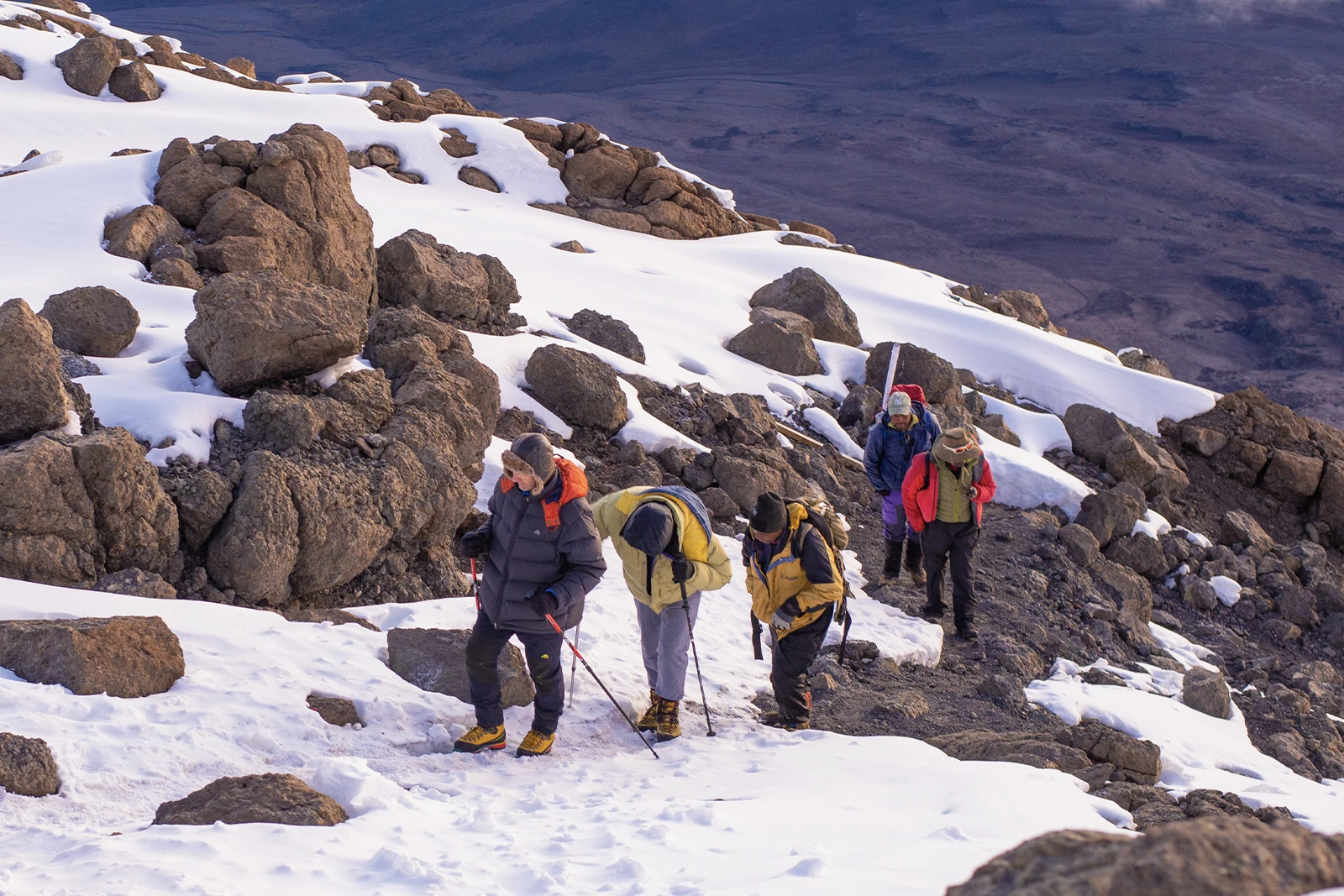
5 Day Marangu Route – Official Kilimanjaro Package
Prices:
✓ Park fees & rescue fees
✓ Professional Kilimanjaro local guides
✓ Hut accommodation on the mountain
✓ 2 nights hotel (before & after climb)
✓ All meals on the mountain
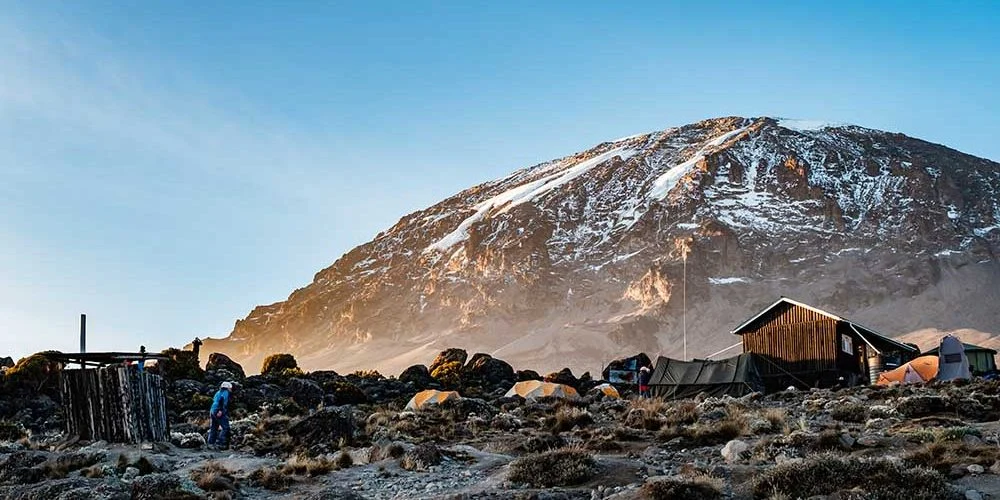
6 Day Marangu Route – Official Kilimanjaro Package
Prices:
✓ Better acclimatization for higher success rate
✓ Professional Kilimanjaro local guides
✓ Hut accommodation on the mountain
✓ 2 nights hotel (before & after climb)
✓ All meals on the mountain
Our Kilimanjaro local guides also lead climbs on all major routes:
We help you choose the best route based on your fitness level, time, and budget.
When you climb with Kilimanjaro Local Guides, your package includes:
Our guides have 10+ years of experience leading climbers to Uhuru Peak (5,895m). They are trained in:
Climbing with local guides means learning about Kilimanjaro’s culture, history, and environment directly from the people who know it best.
When you book with Kilimanjaro local guides, you’re getting more than just someone to show you the way. You’re getting a comprehensive support team dedicated to your safety, comfort, and success.

Every climb is led by a head guide licensed by Kilimanjaro National Park Authority with a minimum of 10 years experience. Your lead guide has summited Kilimanjaro hundreds of times and is certified in Wilderness First Response. They carry satellite phones for emergencies and communicate daily with our operations team.

Our porter team carries all camping equipment, food, water, and your personal gear (up to 15kg per climber). We treat our porters ethically, paying fair wages above industry standards and providing proper equipment, meals, and shelter. The Kilimanjaro Porters Assistance Project regularly audits our practices.
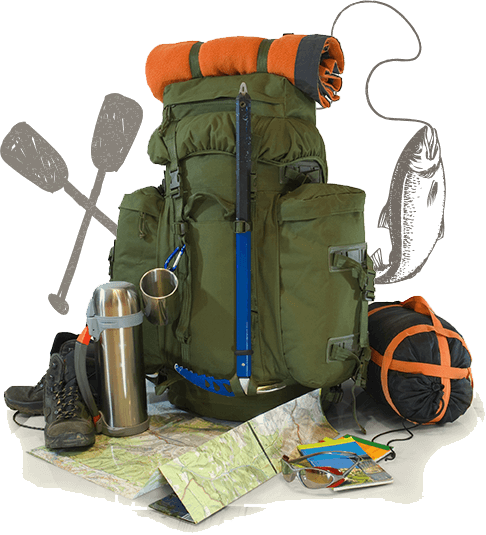

For groups larger than four climbers, we provide assistant guides at a ratio of one guide per four climbers. This ensures personalized attention throughout your trek. If anyone struggles with altitude, an assistant guide can accompany them during descent while the rest of the group continues.

You won't believe the meals prepared at 4,000 meters! Our mountain chefs create nutritious, delicious three-course meals using fresh ingredients. Special dietary requirements including vegetarian, vegan, gluten-free, and religious restrictions are easily accommodated.
Breakfast: Porridge, eggs, toast, sausages, fruit, coffee, tea
Lunch: Sandwiches, chicken, salads, fruit, juice
Dinner: Soup, grilled fish or meat, vegetables, rice or pasta, dessert
Snacks: Popcorn, peanuts, cookies, hot chocolate
All camping equipment is included: 4-season mountain tents, sleeping pads, mess tents, dining tables and chairs, toilet tents, and washing stations. You only need to bring your personal clothing and sleeping bag (rentals available).
Every climb includes pulse oximeters for monitoring blood oxygen levels, emergency oxygen with masks and regulators, portable altitude chambers (Gamow bags), comprehensive first aid kits, and emergency evacuation insurance.
Success on Kilimanjaro starts long before you arrive in Tanzania. Our Kilimanjaro local guides recommend the following preparation strategy:
While Kilimanjaro doesn’t require technical climbing skills, it demands cardiovascular fitness and mental toughness. Focus on:
Summit night is as much mental as physical. You’ll wake around midnight and climb for 6-8 hours in the dark, cold, and thin air. Prepare yourself mentally for discomfort. Practice positive self-talk and visualization techniques. Remember: your Kilimanjaro local guides have helped hundreds reach the summit—trust their experience and pacing.
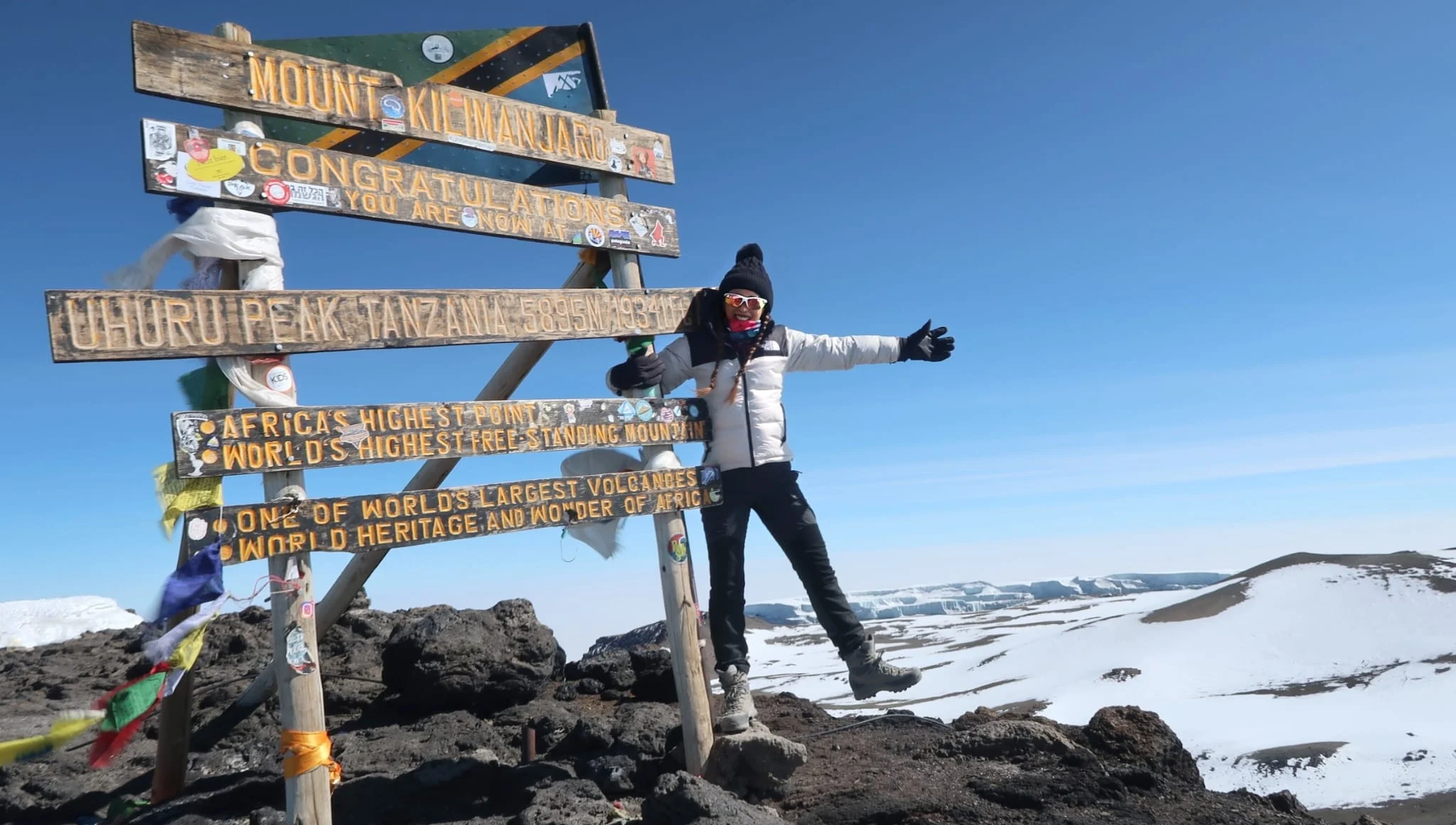
Proper gear is crucial. Essential items include:
Consult your doctor 2-3 months before your climb. Required vaccinations for Tanzania include Yellow Fever (if arriving from endemic countries), and recommendations for Hepatitis A/B, Typhoid, and routine vaccinations. Discuss altitude sickness medications like Diamox with your physician.
Travel insurance with emergency evacuation coverage up to 6,000 meters is mandatory. Our Kilimanjaro local guides coordinate with AMREF Flying Doctors for helicopter evacuations if needed.
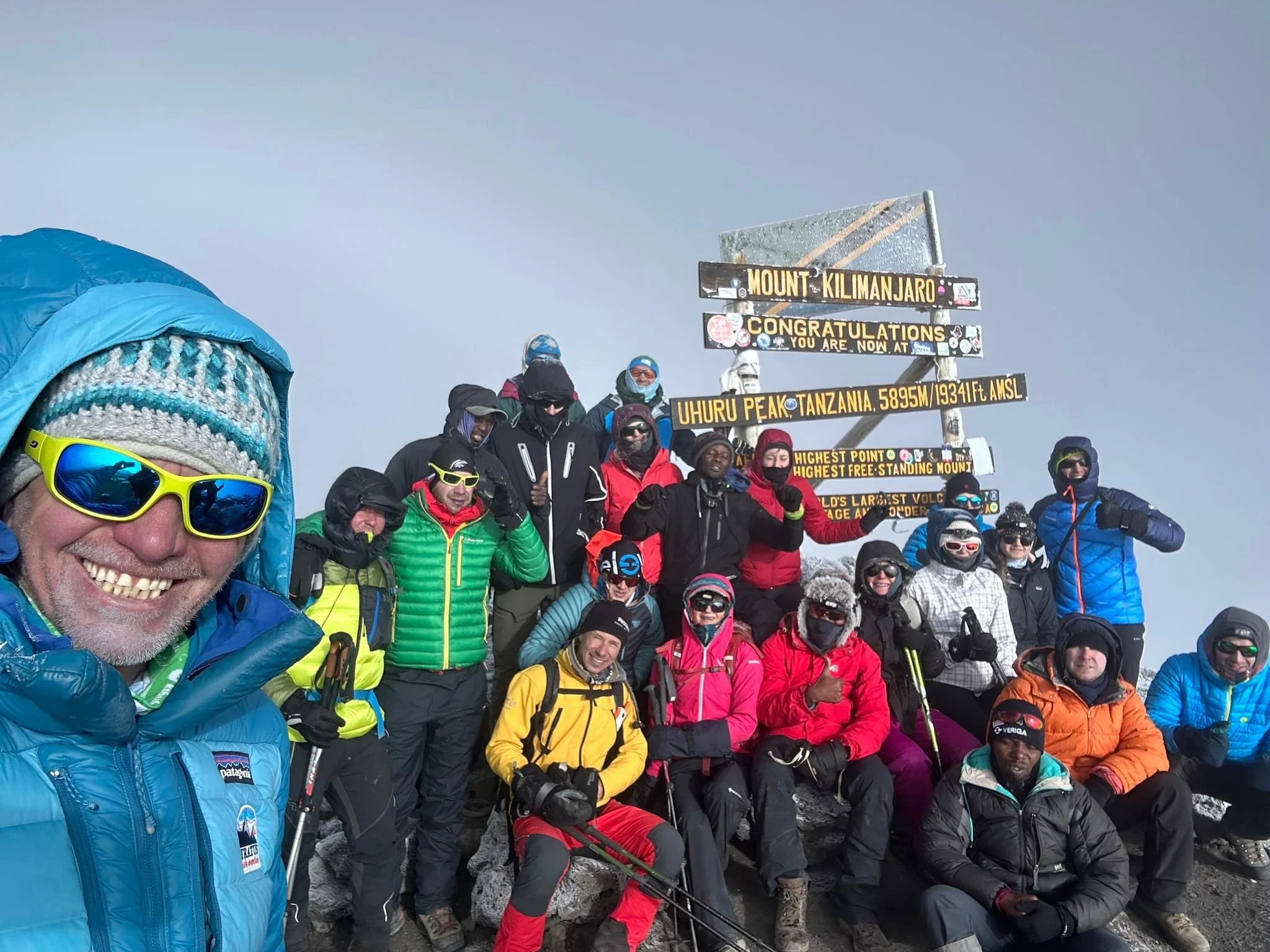
Kilimanjaro can be climbed year-round, but certain months offer better conditions. Your experienced Kilimanjaro local guides know the mountain’s seasonal patterns intimately.
January to March: Excellent weather with clear skies and warm days. This period follows the short rains, so vegetation is lush and green. Nights are cold but manageable. Popular season, so trails are busier.
June to October: The main dry season offers the most stable weather and highest visibility. September and October are particularly good with minimal cloud cover. This is the busiest period on the mountain, especially August-September.
November to December: After the short rains, weather improves through December. Good balance of decent weather and fewer crowds. The Rongai route is particularly recommended during this period.
April to May: The long rains bring heavy precipitation, muddy trails, and poor visibility. Summit success rates drop significantly. However, if you’re seeking solitude and don’t mind wet conditions, prices are lower and you’ll have the mountain largely to yourself.
For the best combination of weather, views, and success rates, book your climb for January-March or July-September. If avoiding crowds is a priority, consider late June or early October. Our Kilimanjaro local guides monitor weather patterns daily and can advise on optimal timing for your specific dates.
When you book with reputable Kilimanjaro local guides, your cost covers:
Budget operators cut corners that compromise your safety and experience. Common cost-saving measures include:
Established Kilimanjaro local guides maintain high standards because your success and safety are our reputation. We’ve built our business on referrals and repeat clients who trust our expertise.
International trekking companies often charge premium prices while subcontracting to local operators. When you book directly with Kilimanjaro local guides, you get:
Eliminate the middleman markup. Your money goes directly to the team supporting your climb rather than to overseas marketing and administrative costs.
Speak directly with the guides who will lead your climb. No communication delays or lost-in-translation moments.
Support Tanzanian families and communities. Your climb creates jobs and sustains local businesses in the Kilimanjaro region.
Learn about Tanzanian culture, history, and traditions from people who live it daily, not from outsiders reading from scripts.
Kilimanjaro local guides climb this mountain 20-30 times per year, every year. They know current trail conditions, recent weather patterns, and exactly where rockfalls or mudslides might have changed routes. This real-time, lived experience can't be replicated by guides who fly in occasionally.
All our guides hold current Kilimanjaro National Park licenses and Wilderness First Response certifications. Continuous training ensures they stay current with best practices in mountain guiding and emergency response.
Twice-daily health checks, pulse oximeter monitoring, emergency oxygen systems, portable altitude chambers, and immediate evacuation coordination with AMREF Flying Doctors ensure your wellbeing at every step.
Maximum 8 climbers per group with a 2:1 climber-to-guide ratio. This ensures personalized pacing, individual attention, and flexibility to adapt to each person's needs throughout the journey.
Committed to Leave No Trace principles, portable toilet systems, waste management, and supporting reforestation projects. We treat Kilimanjaro with the respect it deserves as our ancestral home.
Our porters receive wages above KPAP standards, proper gear, adequate food, appropriate shelter, and tips go directly to them. We're proud members of the Kilimanjaro Porters Assistance Project.
Learn Swahili phrases, hear traditional Chagga stories, understand the mountain's spiritual significance, and experience genuine Tanzanian hospitality that only local guides can authentically provide.
No technical climbing experience is required. Kilimanjaro is a trekking peak, meaning you walk to the summit—no ropes, harnesses, or specialized skills needed. However, you should be in good physical condition and comfortable with multi-day hiking.
Kilimanjaro demands cardiovascular fitness and mental toughness rather than athletic prowess. If you can comfortably hike 6-8 hours with a light backpack, you have the basic fitness required. Our Kilimanjaro local guides adjust pacing to match your abilities.
Our success rate is 98% on 7+ day routes and 85-90% on 6-day routes. The mountain-wide average is only 65%. Our higher success comes from proper acclimatization schedules, experienced guides who monitor your health constantly, and flexible pacing.
Proper acclimatization is key. We follow “climb high, sleep low” principles, maintain slow, steady pacing (“pole pole” in Swahili), ensure adequate hydration, monitor your vitals twice daily, and recognize early symptoms immediately. Our guides carry emergency oxygen and altitude chambers for severe cases.
Your safety is paramount. If our Kilimanjaro local guides determine that continuing poses health risks, we’ll turn back. Most climbers who don’t summit could have succeeded with an extra acclimatization day—which is why we recommend 7+ day routes. Partial refunds aren’t possible as all costs are incurred regardless of how far you climb.
Both options are available. Solo climbers still require a guide team (park regulations), but you’ll have a private climb. Group climbs offer camaraderie and lower per-person costs. We also help connect solo travelers who want to share costs.
The minimum age is 10 years old (park regulation). We’ve successfully guided climbers from age 10 to 78. Age matters less than fitness level and mental determination. Our Kilimanjaro local guides adapt their approach based on each climber’s needs.
Yes, we rent high-quality sleeping bags, trekking poles, gaiters, and cold-weather gear. All camping equipment (tents, pads, etc.) is included in your package. We recommend renting rather than buying if you don’t regularly trek in extreme cold.
Tipping is customary and expected for good service. Industry guidelines suggest $20-25/day for your lead guide, $15-20/day for assistant guides, $10-15/day for chefs, and $8-10/day for porters. Tips are collected as a group and distributed fairly among the entire team.
All our Kilimanjaro local guides carry satellite phones and coordinate with AMREF Flying Doctors for helicopter evacuations if needed. Your package includes emergency evacuation insurance. Guides are trained in wilderness first response and carry comprehensive medical kits including altitude sickness medications, oxygen, and portable altitude chambers.